We share knowledge, productive practices, and technological alternatives to promote socio-productive inclusion. We support the digitalization of the countryside, the agroecological transition, and sustainable territorial development.
We develop technological solutions to maintain the competitiveness of small, medium, and large-scale producers. Once adopted, these solutions increase the production and productivity of their operations.
We promote the exchange of knowledge through technology transfer activities such as field days, and we offer educational activities with in-person and online courses and training.
The knowledge we generate is freely accessible in thousands of videos and publications . We offer up-to-date, high-quality information in language adapted to diverse audiences. This ranges from books and scientific articles to guides with detailed technical recommendations.
We possess cutting-edge knowledge that accelerates rural connectivity. And we support the formulation and implementation of public policies related to the agri-food production sector, but also to the areas of health and food safety, sanitary defense, environment, and regional development.
Socio-productive and digital inclusion
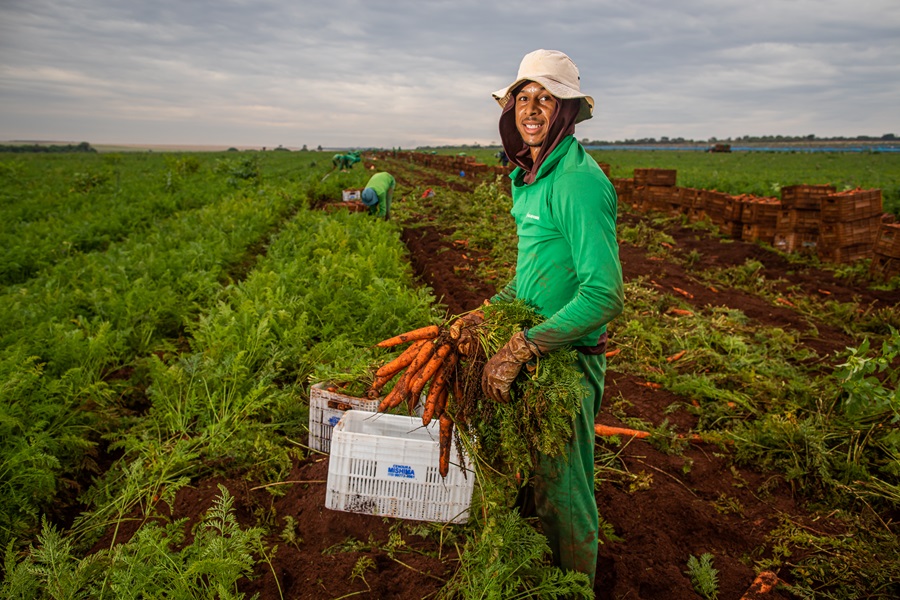
We develop integrated production system models suitable for family-based agriculture and for medium and large commercial farms.
+ The “Sisteminha Comunidades” (Small Communities System) integrates fish farming with crop production and small animal husbandry. It is a small-scale system with low initial costs that helps combat hunger in rural areas. The original model is the result of a partnership with the Federal University of Uberlândia (UFU) and Fapemig. This social technology has become public policy in Maranhão and has been adopted in African countries such as Ghana, Uganda, and Mozambique.
+ Our researchers develop recommendations and encourage the widespread adoption of more complex systems, such as agroforestry and integrated crop-livestock-forestry systems. More than 17 million hectares in Brazil adopt some arrangement of the ILPF system. The data comes from the ILPF Network, of which we are a founding member.
+ We develop free software and applications to assist rural landowners and workers with farm management, pest and disease identification, input selection, and to expedite access to essential information such as that from the Agricultural Zoning of Climatic Risk (ZARC).
We support digital inclusion by offering in-person and online training and capacity-building programs. Rural women and youth, family farmers, and disadvantaged groups are targeted with specific initiatives that consider their literacy levels. The e-Campo platform maintains a constant schedule of online training and attracts participants from countries in Africa, North America, and Europe.
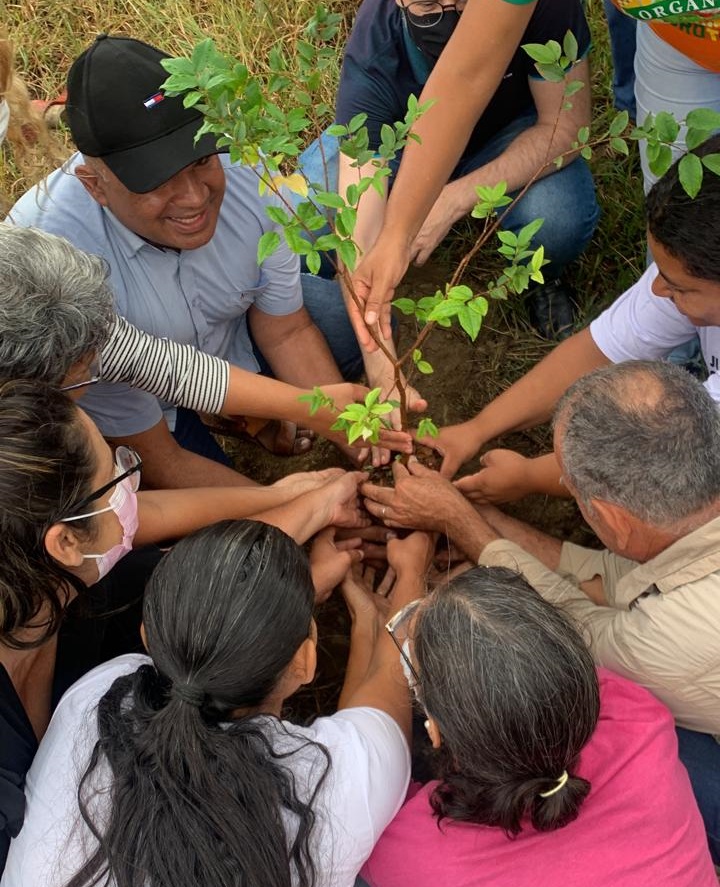
We support and partner in the formulation and implementation of policies, programs, and actions that promote the agroecological transition and inclusive and sustainable organic production.
+ We share technological solutions for the development of local innovation niches with the potential to increase the income of family farming.
+ We establish partnerships with key actors, such as research institutions, state agencies, extension companies, and local socio-technical networks focused on socio-productive inclusion, to create regional collaborative platforms.
+ We contribute to public policies for technological training and professional qualification to boost the competitive insertion of smallholders, family-based producers, and extractive communities into new markets.
+ We integrate inter-ministerial arrangements responsible for programs, plans, and public policies .
Food security and One Health
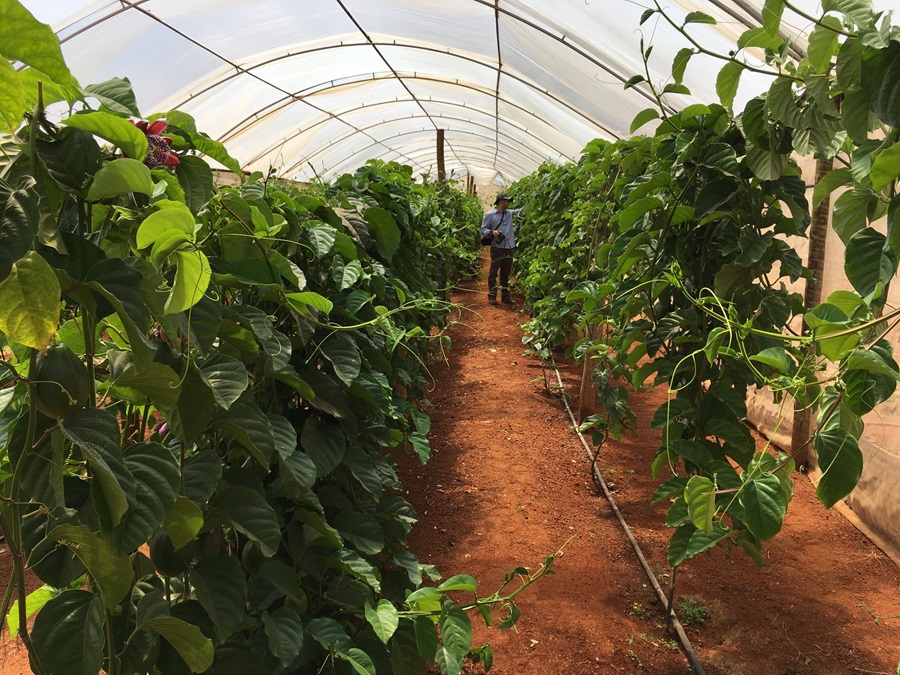
Embrapa biofortified varieties of beans, cassava, sweet potato, and corn are part of the Brazilian diet. These foods are rich in micronutrients such as pro-vitamin A, iron, and zinc, which improve the nutritional quality of our food.
+ We formulate and disseminate technical protocols for the correct use of agrochemicals, antimicrobials, and antiparasitics, focusing on the production of safe food. Our range of recommendations also includes natural alternatives for controlling and combating diseases and parasites, such as integrated pest management (IPM).
+ We have expertise in vertical farming, in closed, controlled environments, and in small urban spaces. These techniques expand access to quality, safe, and health-promoting food.
+ We consider regional specificities, such as food culture, cultural habits, and nutritional deficiencies of local populations, when developing biofortified and genetically improved foods.
We aligned our research with the principles of One Health, advocated by the UN: we adopted approaches that recognize and consider the interconnectedness between human health, plant health, animal health, and the ecosystems in which they are embedded.
+ We support Brazil and the world in expanding and applying scientific knowledge to combat hunger and food insecurity.
+ We work to expand the adoption of technologies in urban and peri-urban agriculture areas to foster small local markets. We consider it strategic to promote short production, distribution, and consumption circuits to boost regional development.
+ We expand collaboration in agricultural research to reduce food losses and waste at all stages of production chains.
+ We contribute to public and private initiatives to ensure equitable access for women, family farmers, and traditional peoples and communities to technological solutions for addressing food insecurity, especially in the face of the impacts of climate change.