Products & Highlights

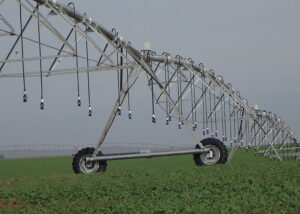
Satellite monitoring identifies irrigated areas based on soil moisture

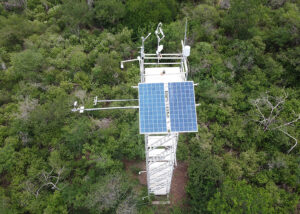
Irrigation is used as a tool for regional development in Brazil and other countries. New method maps the annual variation of effectively irrigated agricultural areas based on soil moisture indices.These indices are obtained from freely accessible, medium-resolution images from the Sentinel-2 satellite. The method also uses Artificial Intelligence (AI).This new
LEARN MORE »

Embrapa 50+

We share knowledge, productive practices, and technological alternatives to promote socio-productive inclusion. We support the digitalization of the countryside, the agroecological transition, and sustainable territorial development. We develop technological solutions to maintain the competitiveness of small, medium, and large-scale producers. Once adopted, these solutions increase the production and productivity of

LEARN MORE »

Bacaeri-Boi Teca System

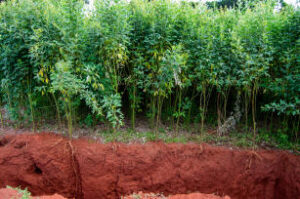
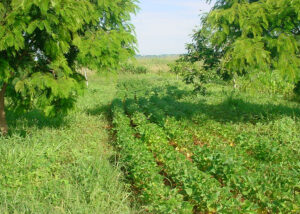
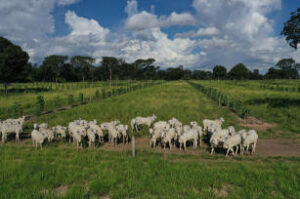
The Bacaeri-BoiTeca System is an ILPF (Integrated Crop-Livestock-Forestry) production model that integrates teak ( Tectona grandis ) as a supplementary income source , while maintaining livestock farming as the main component of the system. The focus is on sustainable intensification , expanding teak cultivation in beef cattle farming areas without replacing monoculture pastures with planted forests . Teak trees, when planted in the appropriate arrangement and managed correctly

LEARN MORE »

Zarc Plantio Certo Web

The Zarc Plantio Certo Web offers official information from the Agricultural Zoning of Climatic Risk (Zarc) in an accessible and intuitive way , making it an essential tool for agricultural planning. The system’s main application is to assist rural producers and agribusiness agents in risk management and agricultural production planning , especially in relation to credit and rural insurance . The platform provides risk rates for crop losses (20%, 30%,

LEARN MORE »

Pigeon pea BRS Guatã

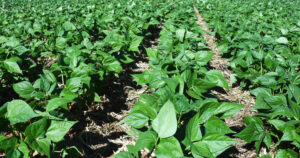
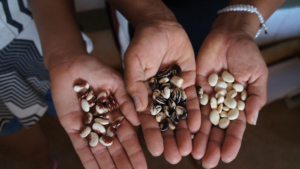
BRS Guatã is a pigeon pea lineage selected for the control and combat of the nematodes *Pratylenchus brachyurus *, *P. zeae* , * Meloidogyne javanica *, *M. incognita*, and * Heterodera glycines* (races 2 and 3) ; considered pests with a negative economic impact on agriculture. For efficient nematode control, it is necessary to seek alternatives to reduce genetic resistance caused by

LEARN MORE »

ICVCalcWeb Embrapa

ICVCalc -Embrapa is a tool developed for building inventories of agricultural products for Life Cycle Assessment (LCA) studies . Created by the LCA thematic team at Embrapa Environment , ICVCalc-Embrapa is a web-based system that organizes and processes data to build inventories of agricultural processes, essential for conducting LCA studies. Life Cycle Assessment (LCA) is a methodology that

LEARN MORE »

Second-crop canola can reduce aviation emissions by up to 55%

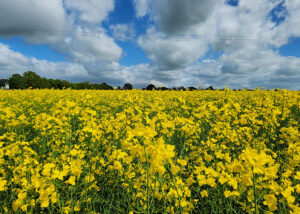
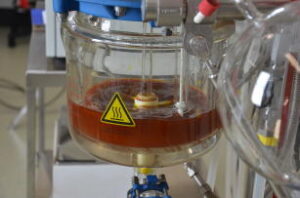
A life cycle assessment of sustainable aviation fuel (SAF) produced from second-crop canola in Brazil indicates a potential reduction of up to 55% in greenhouse gas (GHG) emissions, depending on the adoption scenario, compared to fossil kerosene Jet-A1. The study analyzes all stages of the process, from raw material cultivation

LEARN MORE »

RenovaCalc: RenovaBio Carbon Intensity Index Calculator

RenovaCalc is a tool adopted by the National Petroleum Agency (ANP) that calculates the carbon intensity for biofuels that are part of the National Biofuels Policy (RenovaBio), a program that established annual national decarbonization targets for the vehicle fuel sector. It allows for the verification of the environmental performance of

LEARN MORE »

Addressing vulnerability and achieving resilience.

Adapting agriculture to the effects of climate change goes beyond simply withstanding extreme events . It involves building new production pathways, regenerating territories, and innovating in our relationship with nature. To achieve this, adaptation needs to be comprehensive: from genetics to soil, and from biodiversity to landscape management, encompassing technical knowledge, local expertise,

LEARN MORE »